Press Brake Forming Explained
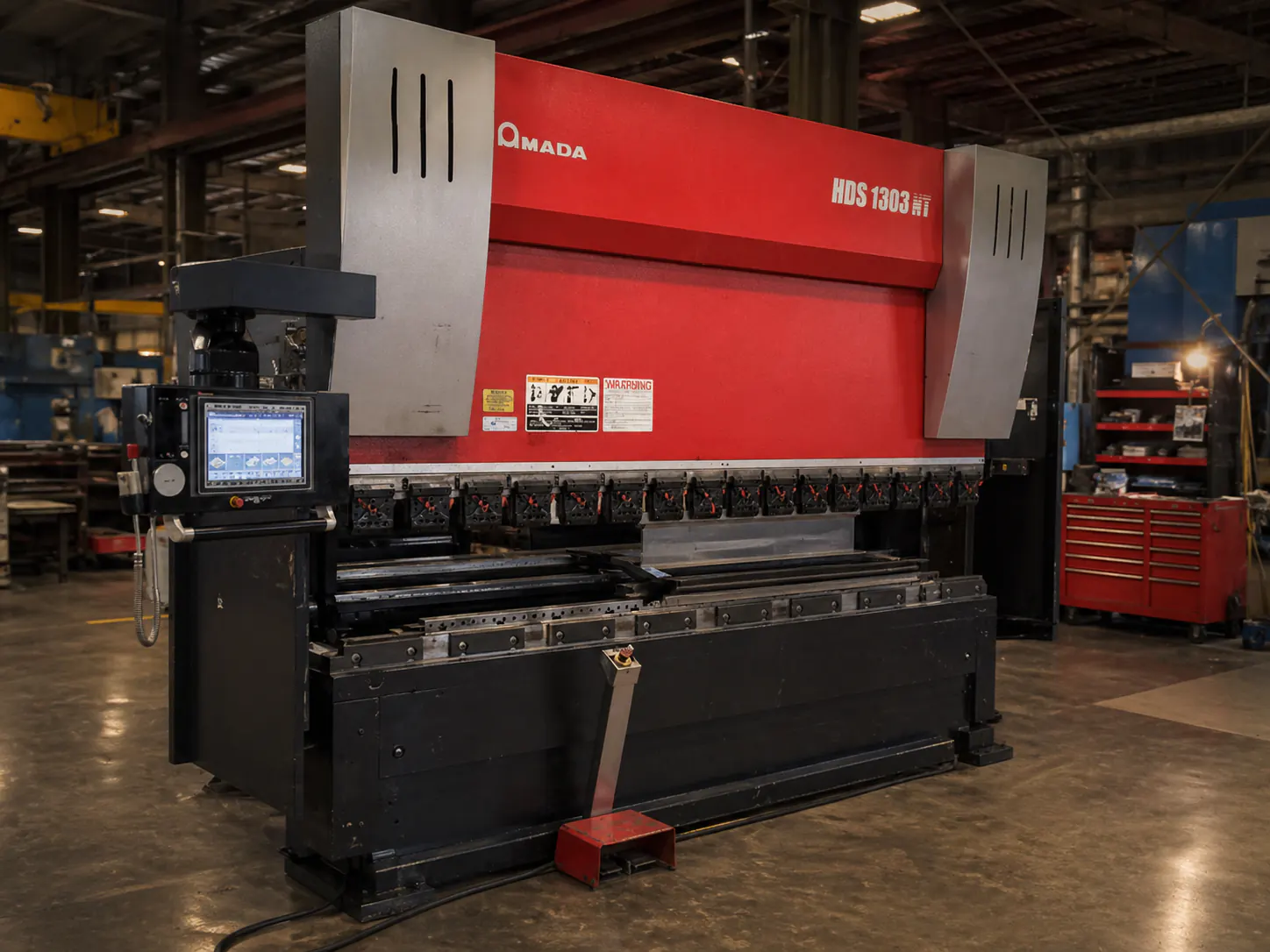
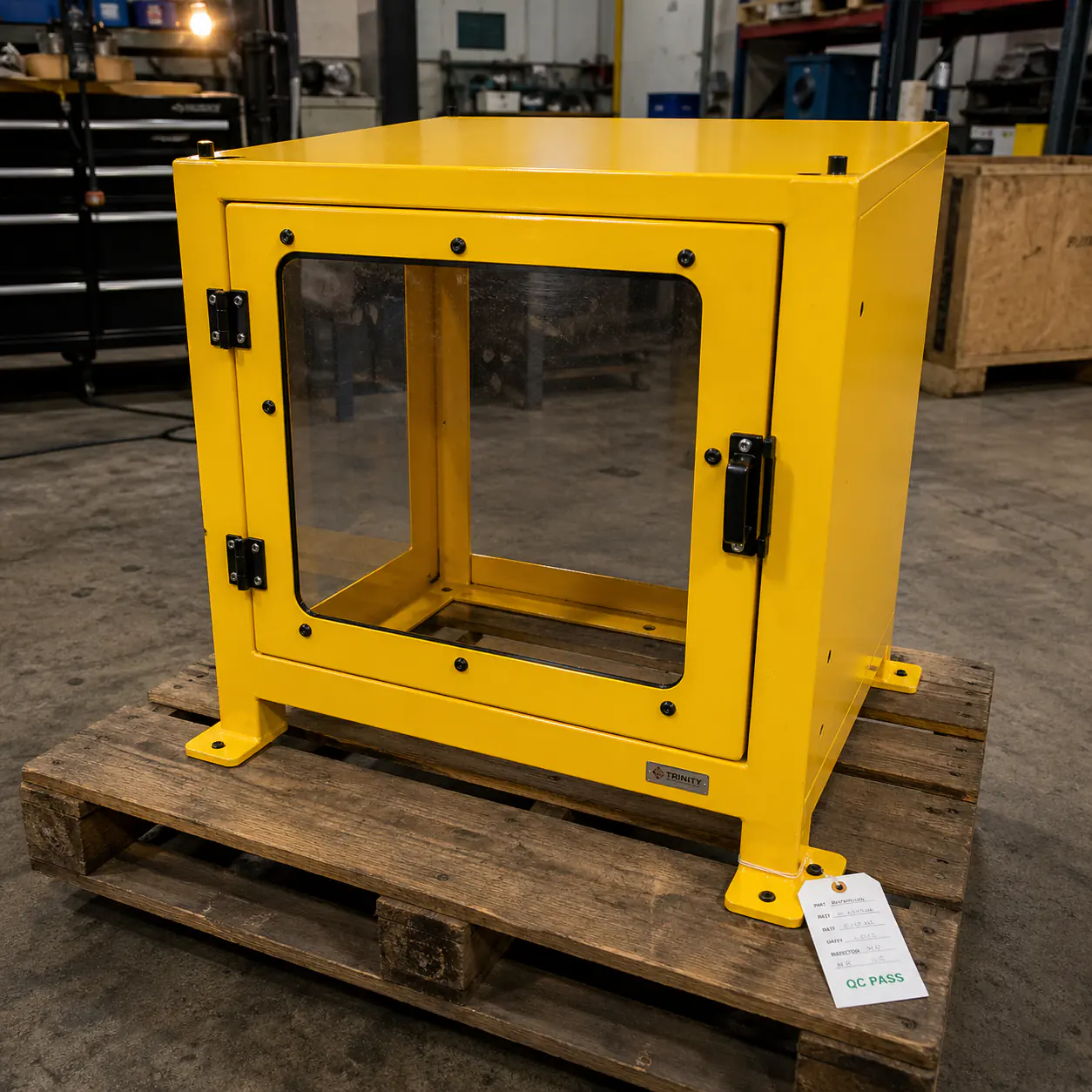
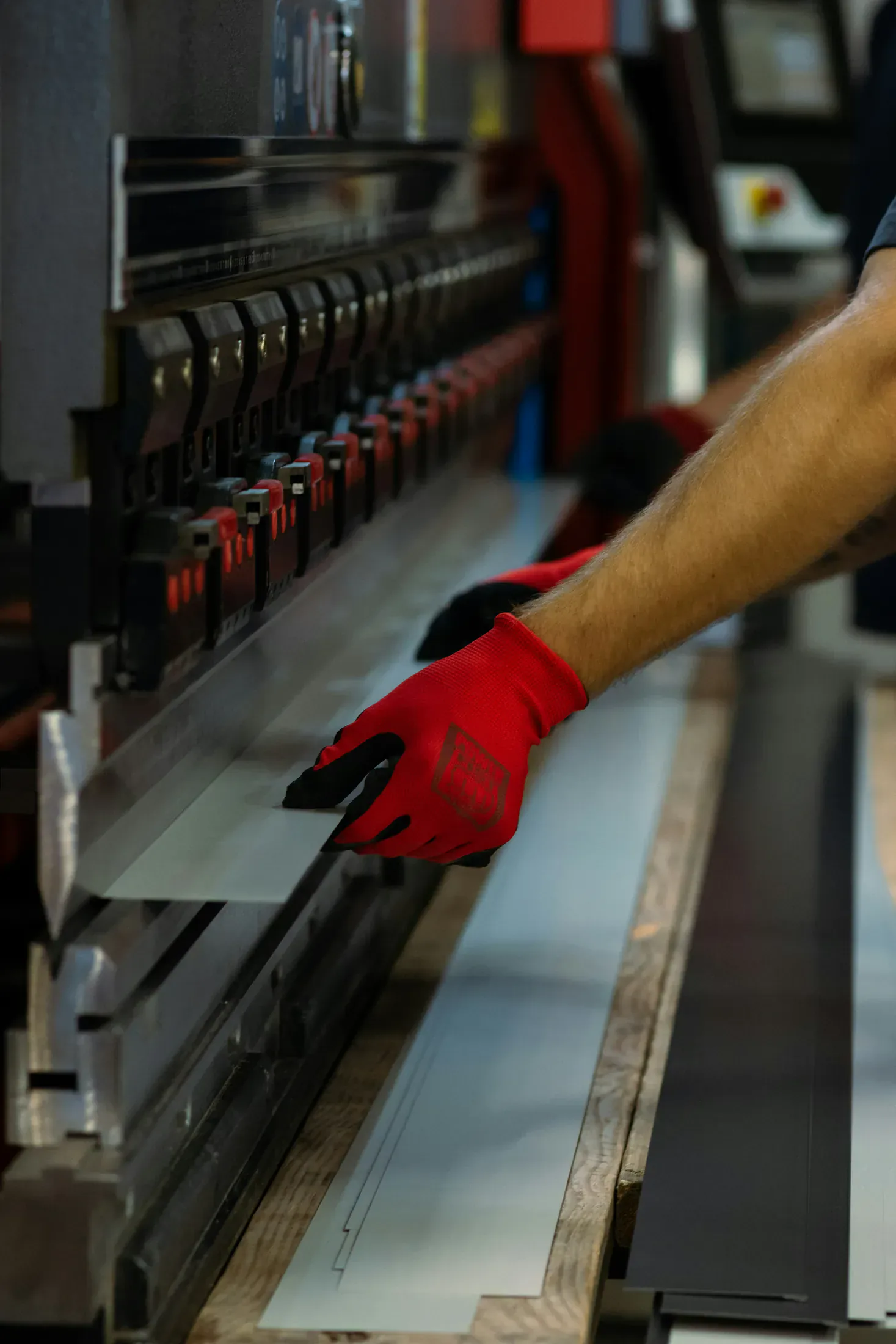
Press brake forming is the cold-forming process where a punch presses a flat metal blank into a V-die, producing a precise bend angle along a straight line. "Bending" and "forming" describe the same operation — "bending" emphasizes the bend angle, "forming" emphasizes the finished 3D shape. Multi-bend programs sequence many bends along a single part: an enclosure starts as a flat blank, gets folded into a box, then becomes a finished weldment-ready shell.
What it's used for
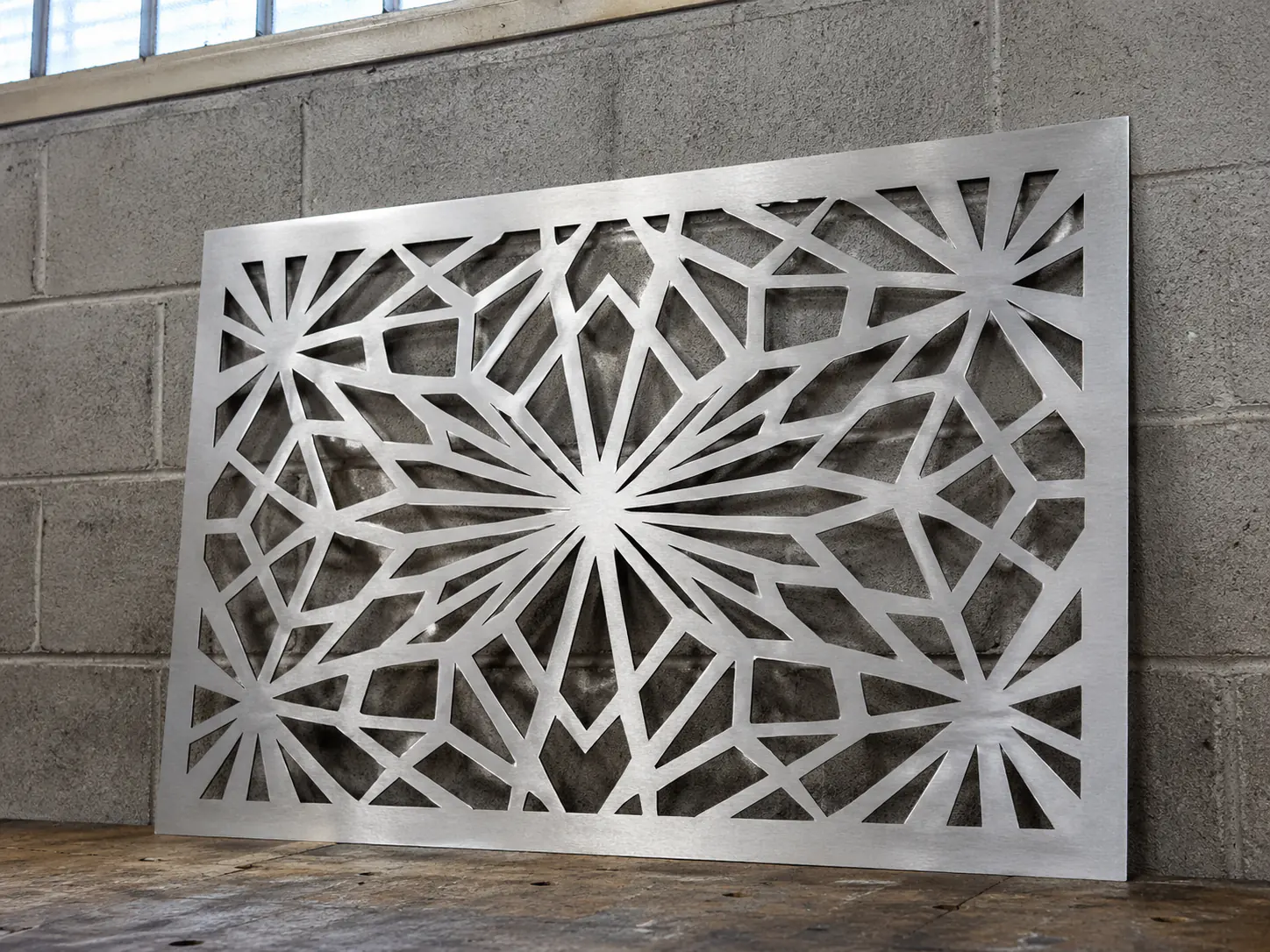
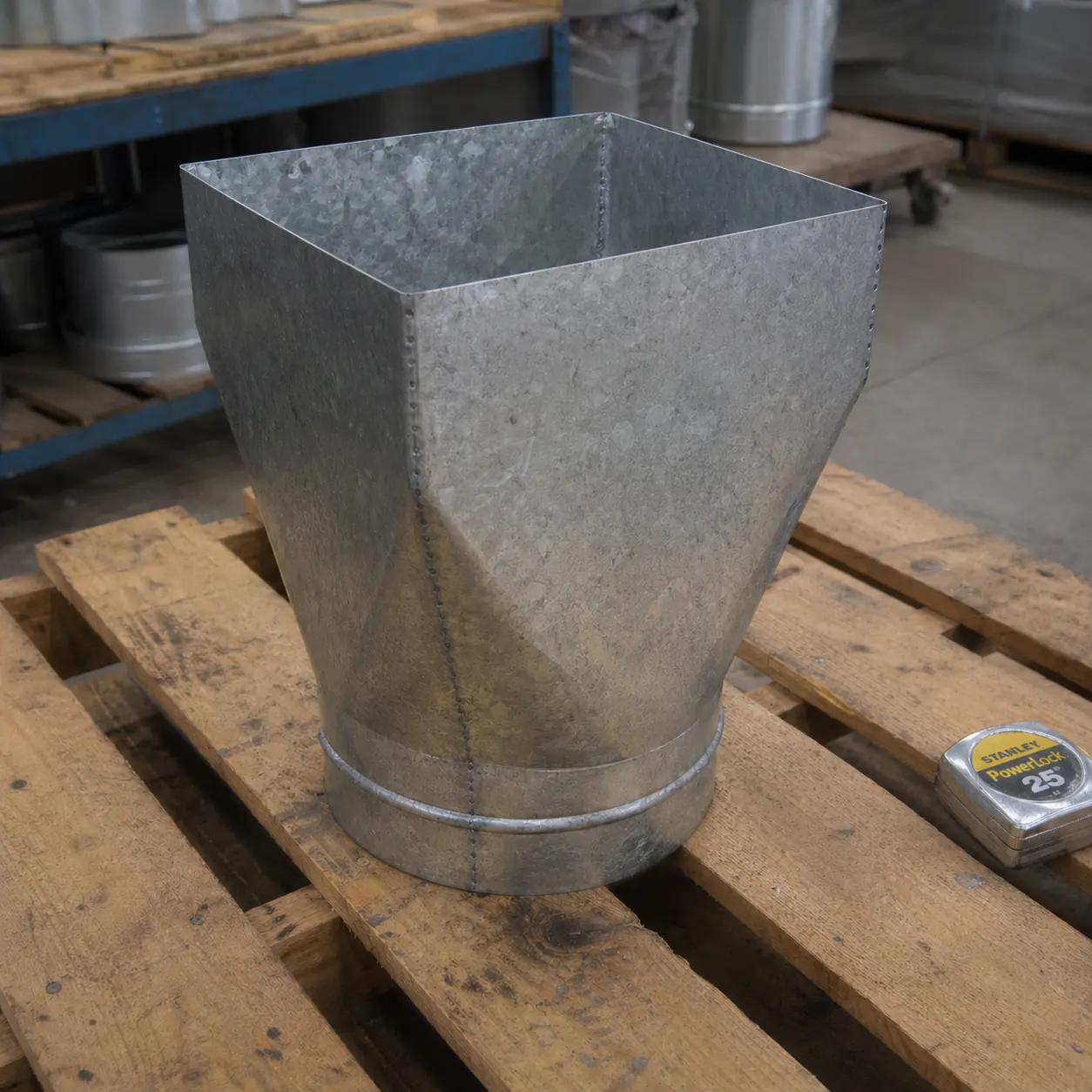
Electrical enclosures, machine guards, HVAC ductwork, industrial chutes and hoppers, formed brackets and gussets, sheet-metal cabinets. Anywhere a flat part needs to become a folded structure — usually in the same job as the laser cutting that came before it, with the same drawings driving both operations.
Why people use it
Press brake is the only economical way to form sheet at scale. Tooling is universal (V-dies, standard punches), so there's no per-part tooling cost. CNC repeatability means a run of 500 enclosures all close the same way. We bend off the same drawings the laser cuts from — no re-fitting between operations, no dimensional drift between vendors.
What we hold to
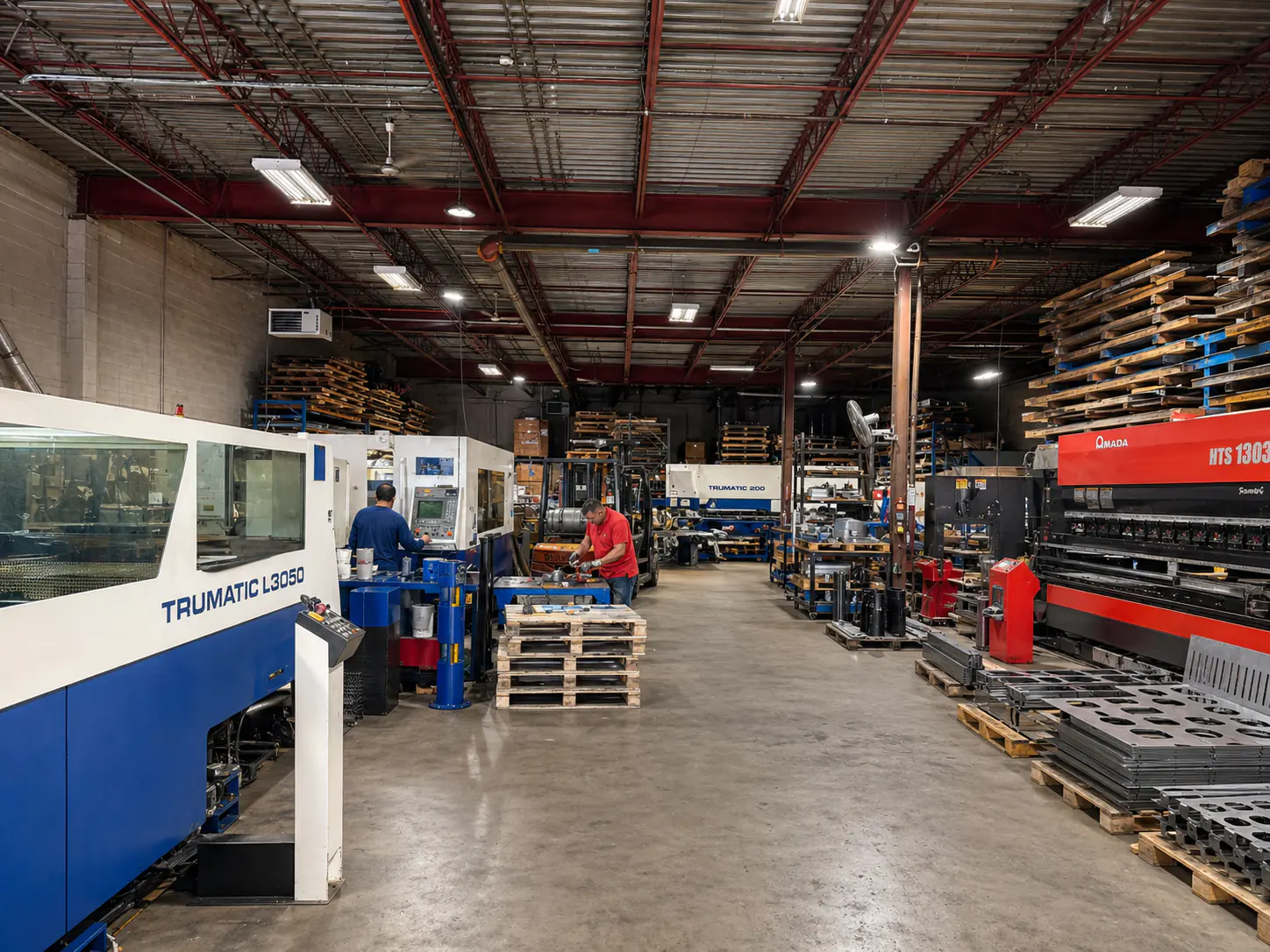
±0.5° on bend angle, ±0.010″ on flange length. 130-ton press, 8-foot bed. Mild steel up to 0.250″ at full bed length, 0.375″ on shorter bends. Air-bend, bottom-bend, hemming. First-article inspection on every tight-tolerance assembly.